
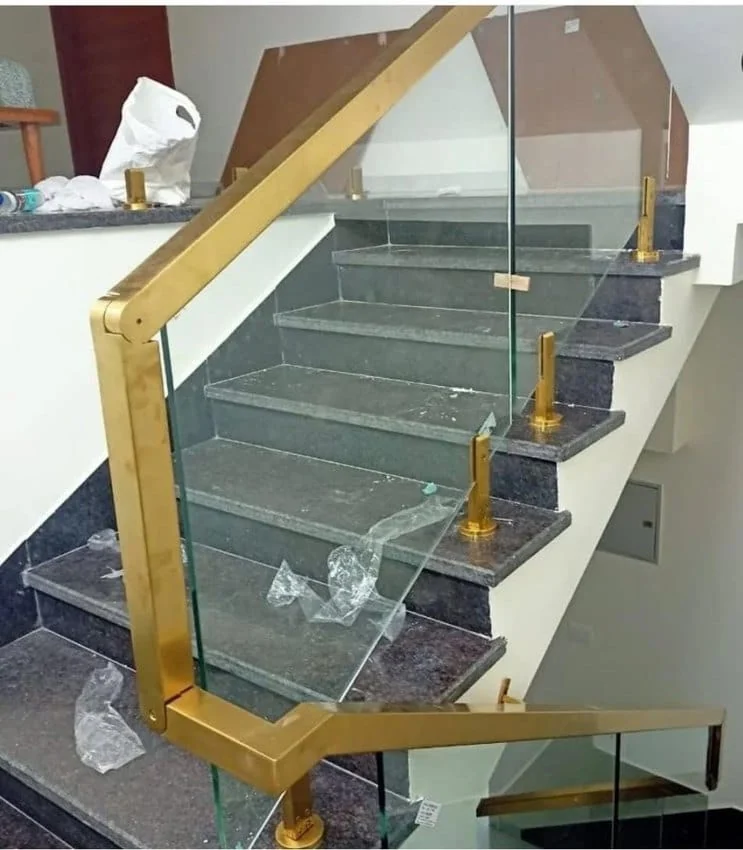
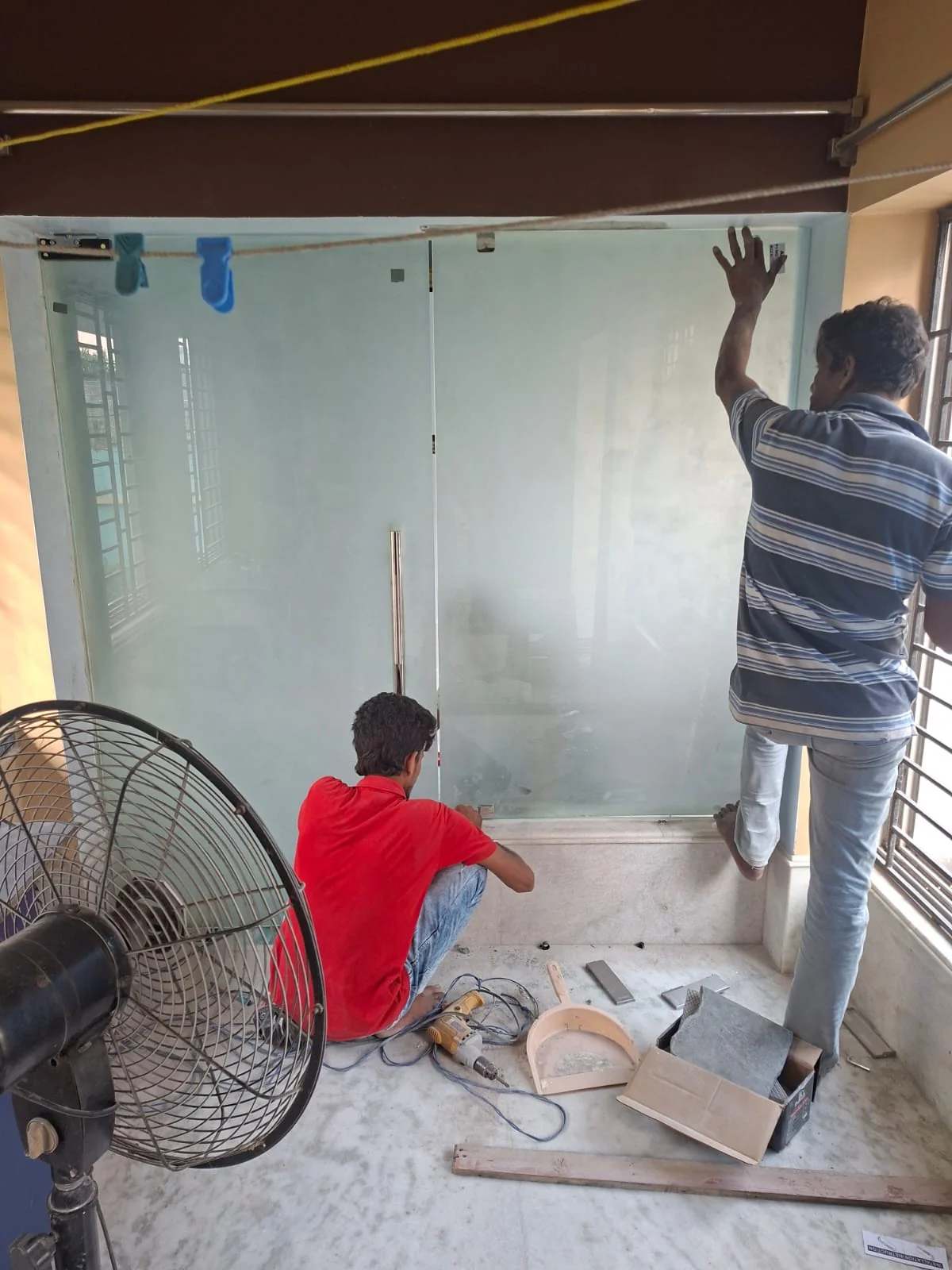
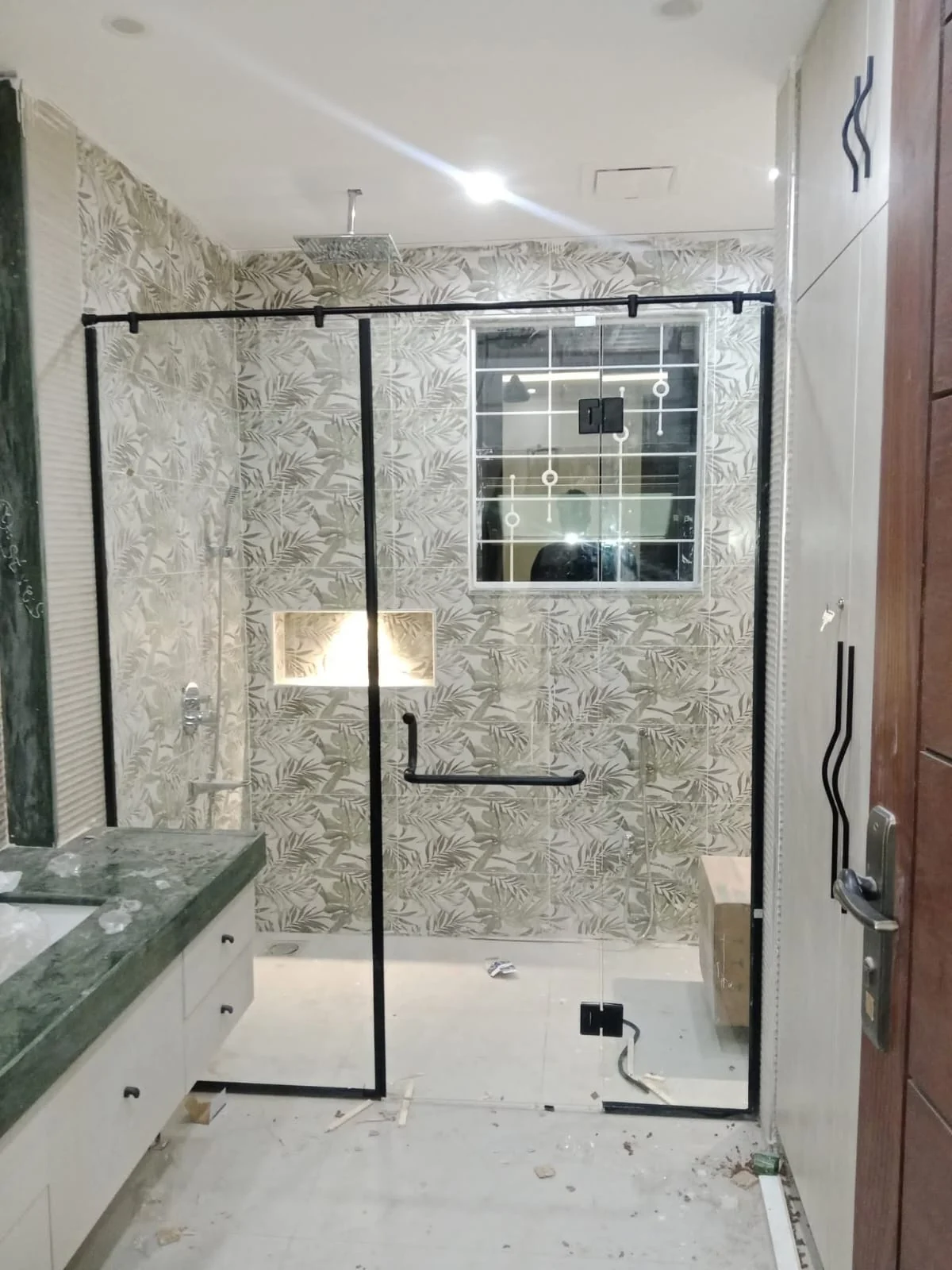
Most of what we cut and fit at Sarada Glass falls under this one heading, toughened glass for anything that needs to be safe, and normal glass for anything that doesn't. Doors, balcony railings, shower cubicles, table tops, shop counters, office partitions, we do all of it, and we'll tell you honestly when you don't need to pay extra for toughened if plain glass will do the job just as well.
Below are the questions we get asked most, along with a few things people usually only find out after something goes wrong.
What's the actual difference between normal glass and toughened glass?
Normal glass, also called annealed glass, is ordinary flat glass cooled slowly during manufacturing. It breaks into large, sharp pieces if it cracks, which is exactly the danger. Toughened glass, also called tempered glass, goes through an extra heating and rapid cooling step that makes it four to five times stronger. If it does break, it crumbles into small, blunt pieces instead of jagged shards. That one difference is why building codes and common sense both say toughened glass anywhere someone could walk into it or lean on it.
How is toughened glass actually made?
The glass is heated to somewhere around 650–700°C, close to its softening point, and then cooled very fast with jets of air. This rapid cooling puts the outer surface under compression and the inside under tension, and that internal stress is what gives toughened glass its strength. It's also why, once this is done, the glass can't be cut, drilled, or edged anymore, more on that further down.
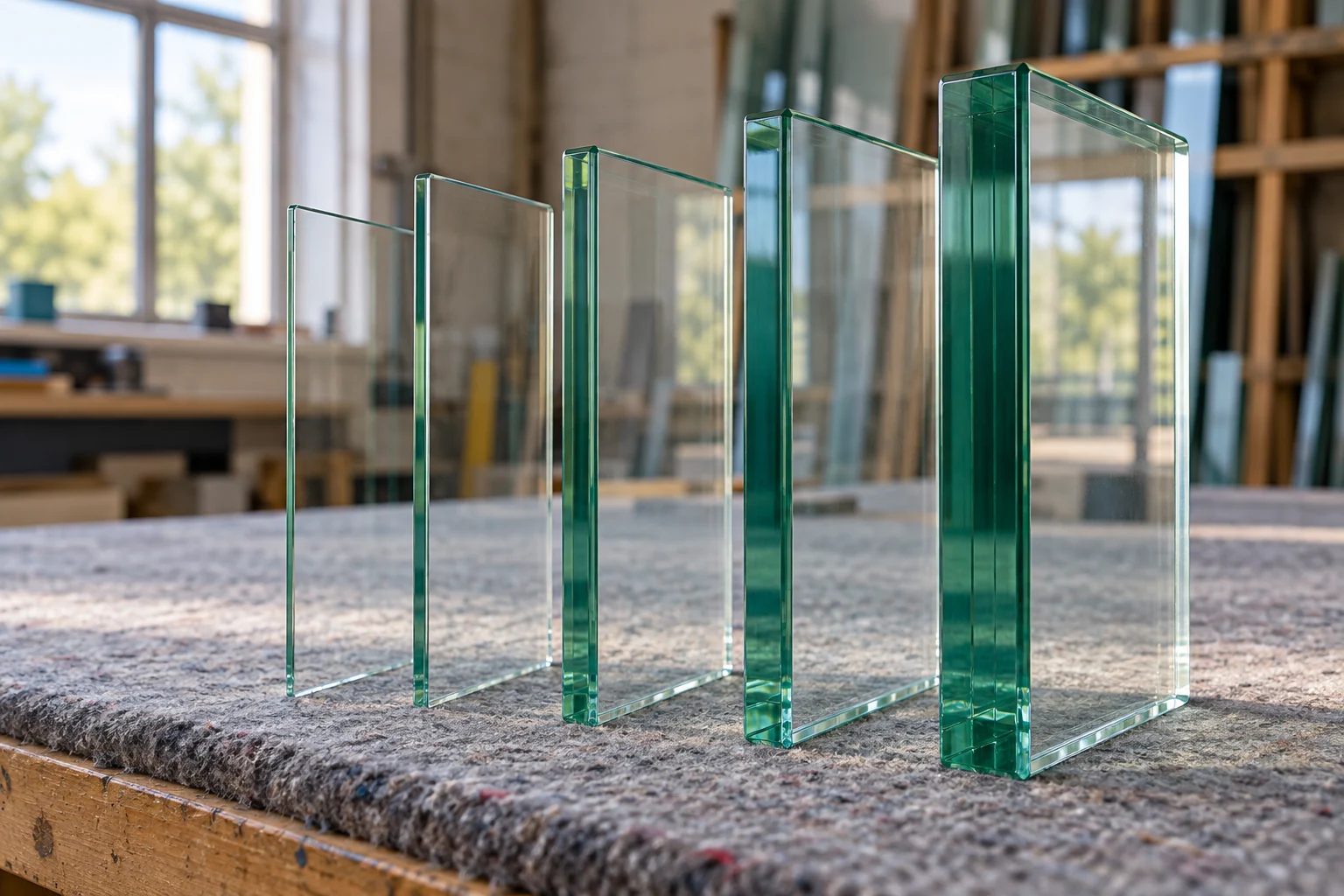
What glass thickness should I actually use, for what?
This is probably the most useful thing on this page, so here's a straight table:
If you're not sure which column your job falls into, tell us the size and where it's going, and we'll tell you straight rather than upselling you to a thicker, pricier piece than you need.
How much does toughened glass cost per square foot in Kolkata?
As a rough 2026 range: 6mm–8mm glass usually runs somewhere around ₹100–₹180 per square foot, and 12mm glass, the kind used for railings and heavy partitions, sits closer to ₹180–₹250 per square foot. Finish, edge polishing, and how much cutting is involved all
Thickness Best for
4mm–5mm Windows, cabinet shelves, small showcases
6mm Small, well-supported fixed glass panels
8mm The standard choice for shower cubicles and most glass doors, good balance of strength and cost
10mm Larger shower doors, tall panels, frameless setups where the glass needs more rigidity
12mm and up Balcony and staircase railings, heavy partitions
15mm–19mm Shopfronts, facades, and other heavy commercial glazing move this number. The only figure worth relying on is the one we give after seeing your actual site or measurements.
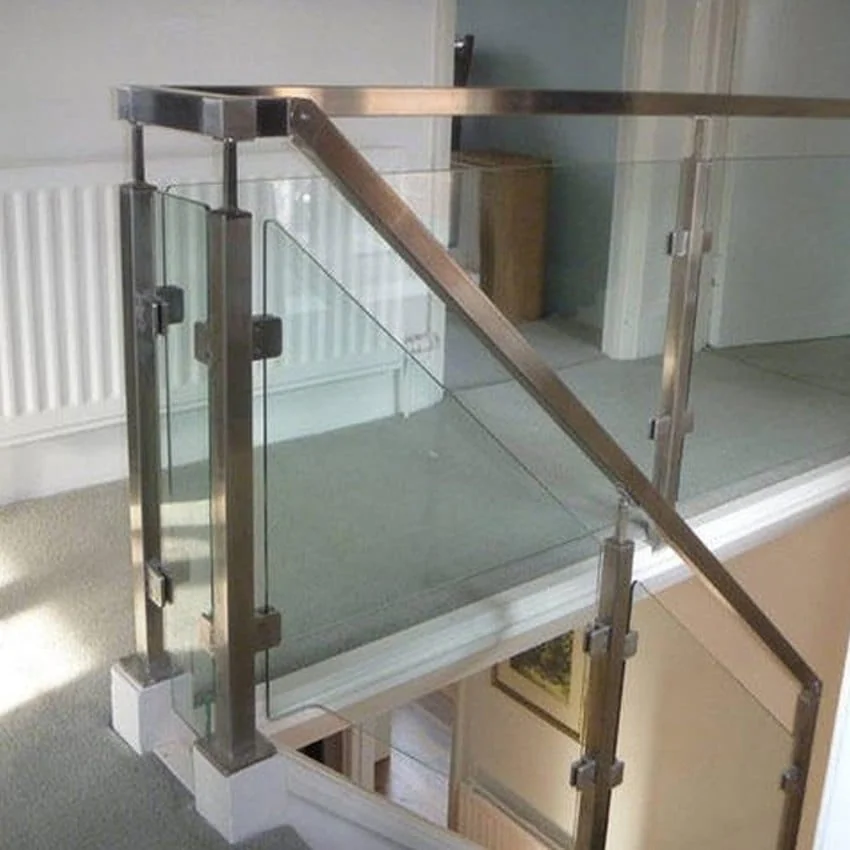
How much does a balcony or staircase glass railing cost, and is there a height rule I need to follow?
Railings are usually priced per running foot rather than per square foot, since the height stays fairly standard and the length is what changes job to job. There is a real rule here too, and it's one a lot of people don't know until an inspector or their own society points it out. The National Building Code sets a minimum railing height of 1 metre for standard residential balconies, going up to 1.05 metres for buildings above three storeys, and 1.2 metres for terraces and public areas. On top of that, Indian Standard IS 4912 says no gap in the railing should let a 100mm sphere pass through, roughly the size of a small child's head, which is exactly why full glass panels are popular, they solve both rules at once without needing a separate baluster design. One thing worth knowing before you measure anything yourself: this height is measured from the finished floor, after tiling, not the bare slab. A tile bed added later can quietly drop what looked like a compliant railing below the legal height.
How much does a glass partition or shower cubicle cost?
Partitions are usually priced per square foot and vary a fair bit depending on whether it's a plain toughened panel or something with frosted or coloured glass built in. Shower cubicles are their own thing. 8mm toughened glass is the common choice, a fair balance between cost and strength for most bathrooms. 10mm is worth the extra cost for bigger, tall, or frameless-style doors where the glass needs to hold its shape without a metal frame helping it along. 6mm is really only suitable for small, well-supported fixed panels, not full doors. We'll tell you which one your bathroom actually needs rather than defaulting to whichever is easier for us to fit.
Is toughened glass legally required in India, or just a good idea?
A bit of both. Indian Standard IS 2553 (Part 1) covers safety glass requirements, and it's what most architects and building approvals point to for glass used in doors, low-level glazing, and balustrades. Beyond the legal side, it's simply common sense, anywhere a person's body weight or a stray elbow could meet the glass, toughened is the only sensible choice.
Can toughened glass break on its own, with nobody touching it?
Rarely, but yes, it can happen. This is called spontaneous breakage, and it's usually caused by a tiny nickel-sulphide inclusion inside the glass from manufacturing, or by small edge damage from handling that wasn't visible beforehand. When it happens, the glass still does what it's meant to, it crumbles into small blunt pieces rather than falling as sharp shards. If this ever happens with glass we've fitted, send us photos on WhatsApp and we'll take a look at what caused it.
Is toughened glass bulletproof, or scratch-proof?
No to both, and this is a common mix-up. Toughened glass is stronger than normal glass and safer when it breaks, but a bullet will go straight through it just like ordinary glass. Bulletproof glass is a completely different product, built from multiple laminated layers specifically for that purpose, and it's not something used in home or shop glazing. Toughened glass also isn't scratch-proof, it can be scuffed by harsh cleaning pads or grit, though it holds up better than normal glass against everyday wear.
How can I tell if the glass already in my home is actually toughened?
A few practical checks. Genuine toughened glass usually has a small etched logo or manufacturer's mark in one corner, this is required under BIS rules, so if you can't find one anywhere on a panel, that's worth asking about. The edges are also ground and slightly rounded rather than sharp like a plain cut sheet. If you look at the glass at a low angle under bright sunlight or between polarized sunglasses, toughened glass often shows faint rainbow-like stress patterns, normal glass won't show this. None of these checks are completely foolproof on their own, but together they're a decent way to check what you've actually got.
Can toughened glass be cut, drilled, or resized after it's made?
No, and this one catches people out more than anything else on this page. Once glass is toughened, that's it, it can't be cut, drilled, or trimmed down afterward. Every hole for a handle, every exact edge measurement, has to be finalised before the toughening process, not after. That's why we always measure carefully on-site ourselves rather than working purely off numbers sent over the phone. If a size needs to change after the order is placed, the piece has to be remade from scratch, not adjusted.
What's the difference between float glass and toughened glass?
This one confuses people because both terms get thrown around a lot. Float glass is just the name for ordinary flat glass made by floating molten glass on a bed of molten tin, it's the raw, untreated starting material. Toughened glass is float glass that's been through the heating and rapid-cooling process described above. So it's not really an either-or choice, float glass is what toughened glass is made from. If someone offers you "float glass" for a door or railing without mentioning toughening, that's worth a second question before you agree.
Can toughened glass also be frosted, tinted, or coloured?
Yes, and a lot of our orders combine the two. A frosted or tinted finish can be applied before the glass goes through toughening, so you get the privacy or the look you want along with the safety of toughened glass. If you're deciding between a plain toughened panel and something with a finish, our Frosted & Coloured Glass page covers the different finish options in more detail.
Do I really need toughened glass for everything, or is normal glass okay sometimes?
Normal glass is perfectly fine, and cheaper, for anything nobody's going to lean on, bump into, or stand near. Table tops, cabinet shelves, small display cases, decorative wall panels well away from foot traffic, plain glass does the job. Where we'd always push back and recommend toughened, regardless of budget, is doors, low windows, partitions, railings, and anything in a bathroom. That's not us upselling, it's just where the actual injury risk sits.
Toughened glass or laminated glass, which is the safer choice?
Depends what you're protecting against. Toughened glass breaks into small, blunt pieces and is the standard choice for doors, partitions, and railings. Laminated glass has a plastic interlayer between two glass sheets, so even if it cracks, the pieces stay stuck to that interlayer instead of falling away, which is why it's preferred for overhead glazing, skylights, and anywhere falling glass would be dangerous even in small pieces. For most home and shop uses in Kolkata, toughened glass covers the need. We'll flag it if your specific job is one where laminated makes more sense.
Does Sarada Glass supply and install toughened and normal glass across Kolkata and North 24 Parganas?
Yes. We're based in Keotia, near Dum Dum, and we regularly work across Madhyamgram, Barasat, Barrackpore, Bhatpara, Naihati, Salt Lake, New Town and Rajarhat, along with Kolkata itself. The site visit and measurement is free, we come, measure properly, and give you a written quote based on your actual space.
How do I get a free quote for toughened or normal glass work?
Message or call us on WhatsApp, 8250144620, with what you need, a photo of the space helps a lot, and we'll arrange a free site visit to measure properly and give you a written quote. Or use the short form on our Contact page if you'd rather type it out.