
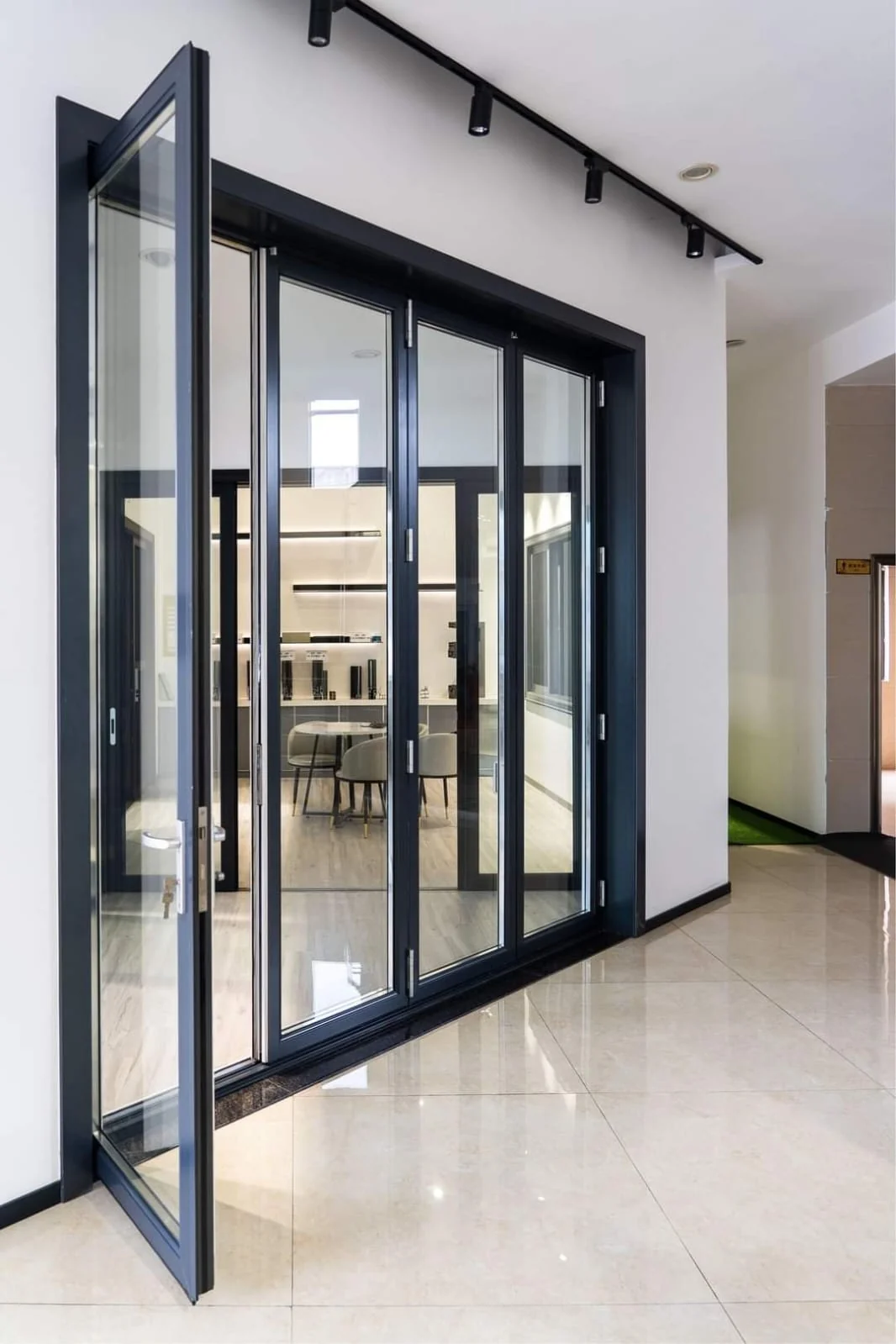
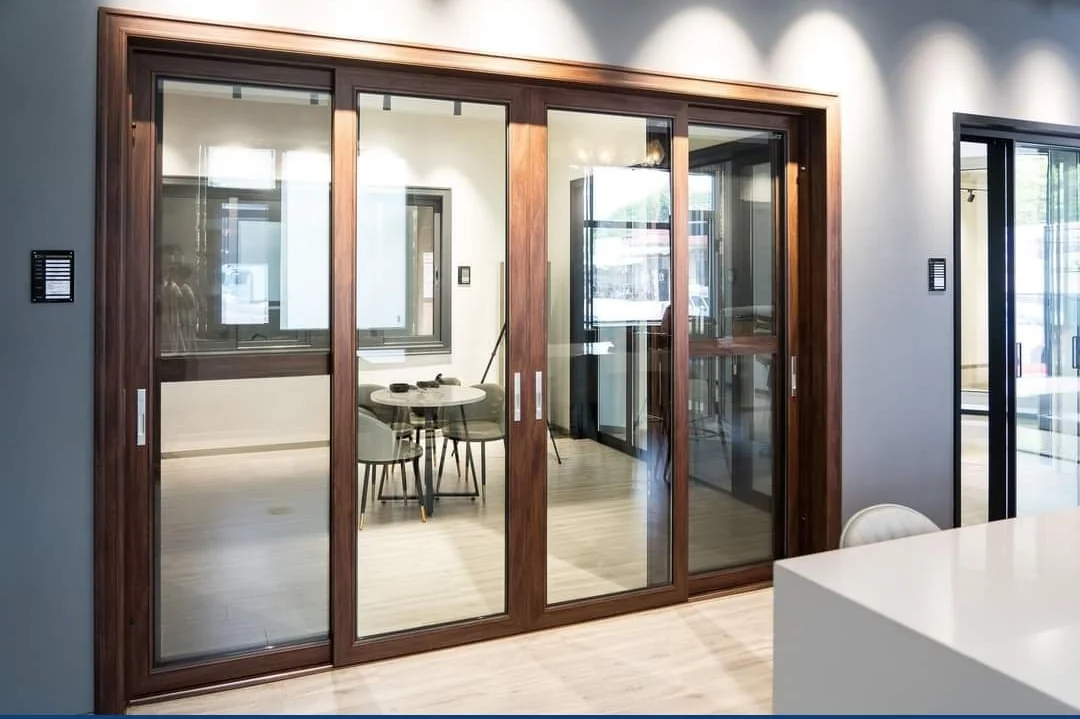
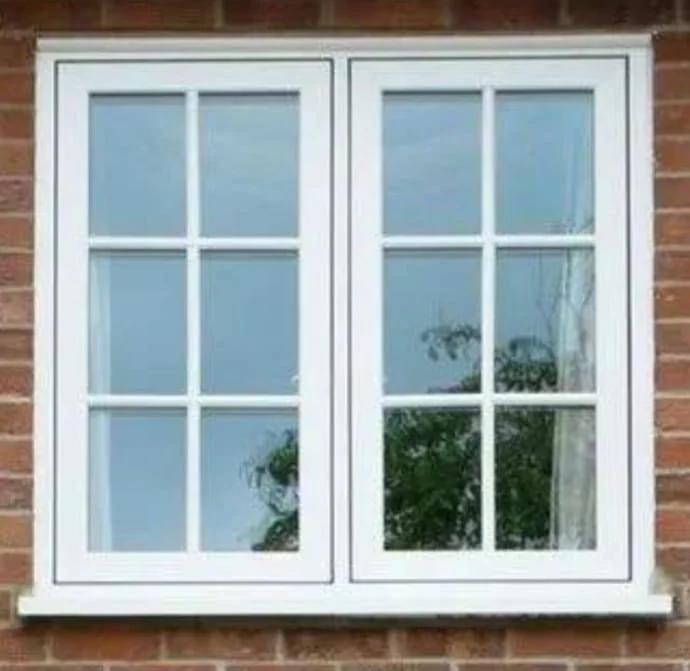
uPVC windows and doors are most of our order book these days, more flats are switching over from old wooden frames every year. We measure your opening on site, help you pick the right type, sliding, casement, or tilt-turn, and fit it ourselves rather than handing it off to a separate contractor.
Here's what people usually ask before ordering.
What's the difference between a uPVC sliding window and a casement window, and which one should I pick?
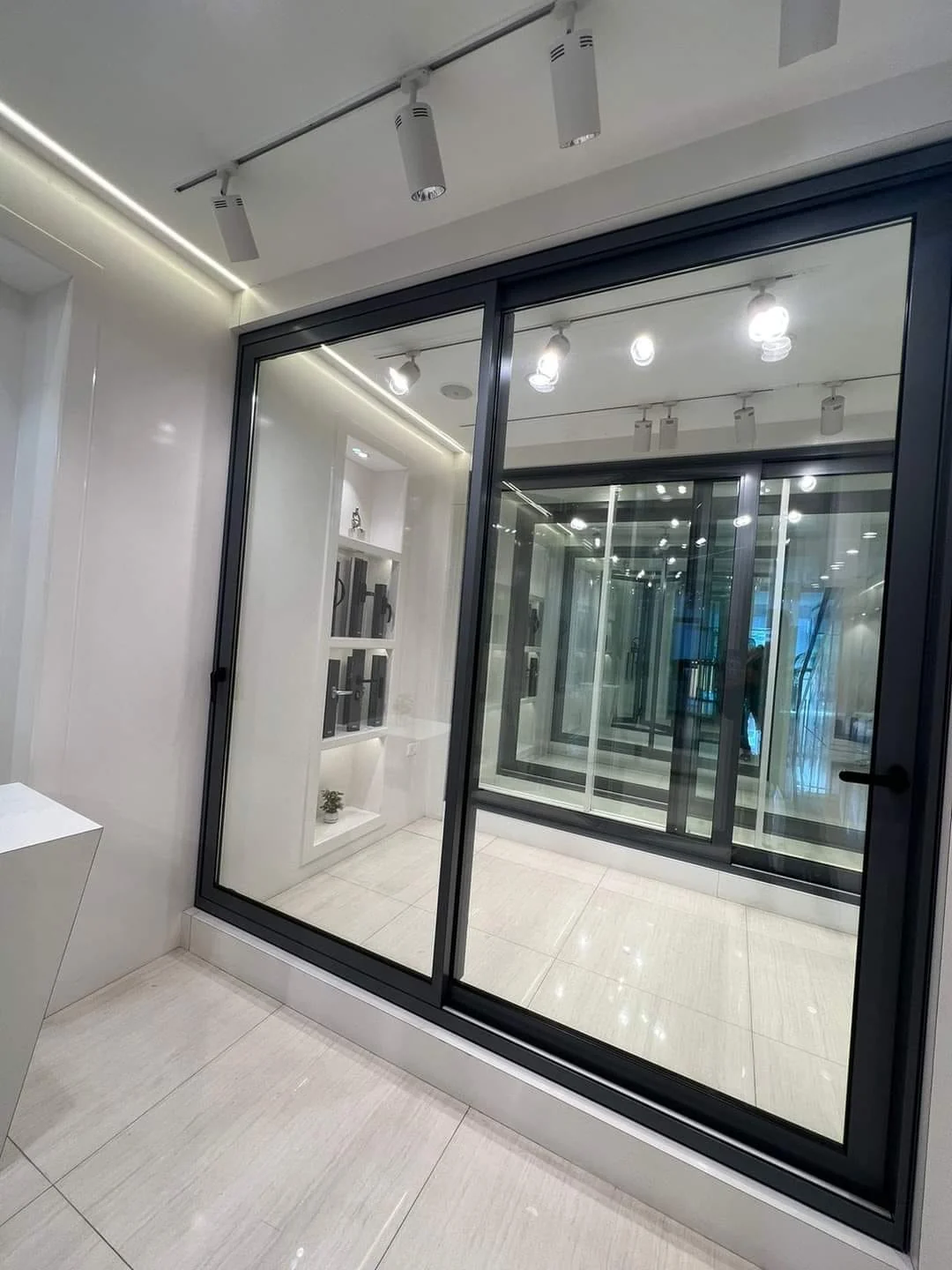
A sliding window opens by sliding sideways along a track, it doesn't stick out into the room or outside, which makes it a good fit for balconies, corridors, or any spot where a swinging window would be in the way. A casement window opens outward on a hinge, like a door, and seals tighter when shut since the sash presses directly against the frame, which usually means better protection against wind-driven rain and a bit more soundproofing. Sliding is the more common, budget-friendly choice for most flats in Kolkata. Casement is worth the extra cost for a room facing heavy rain exposure or a busy road where noise matters more.
What does uPVC actually stand for, and why is it used for windows instead of wood or aluminium?
uPVC stands for unplasticized polyvinyl chloride, a rigid, weatherproof plastic that doesn't need paint, doesn't rust, and doesn't rot or swell with moisture the way wood does. Aluminium is strong too, but it conducts heat, so an aluminium frame gets noticeably hot in direct summer sun and can sweat with condensation in humid weather. uPVC doesn't do either of these things nearly as much, which is a big part of why it's replacing both wood and aluminium in newer Kolkata flats.
How can I tell if a uPVC window is actually good quality, or a cheap duplicate profile?
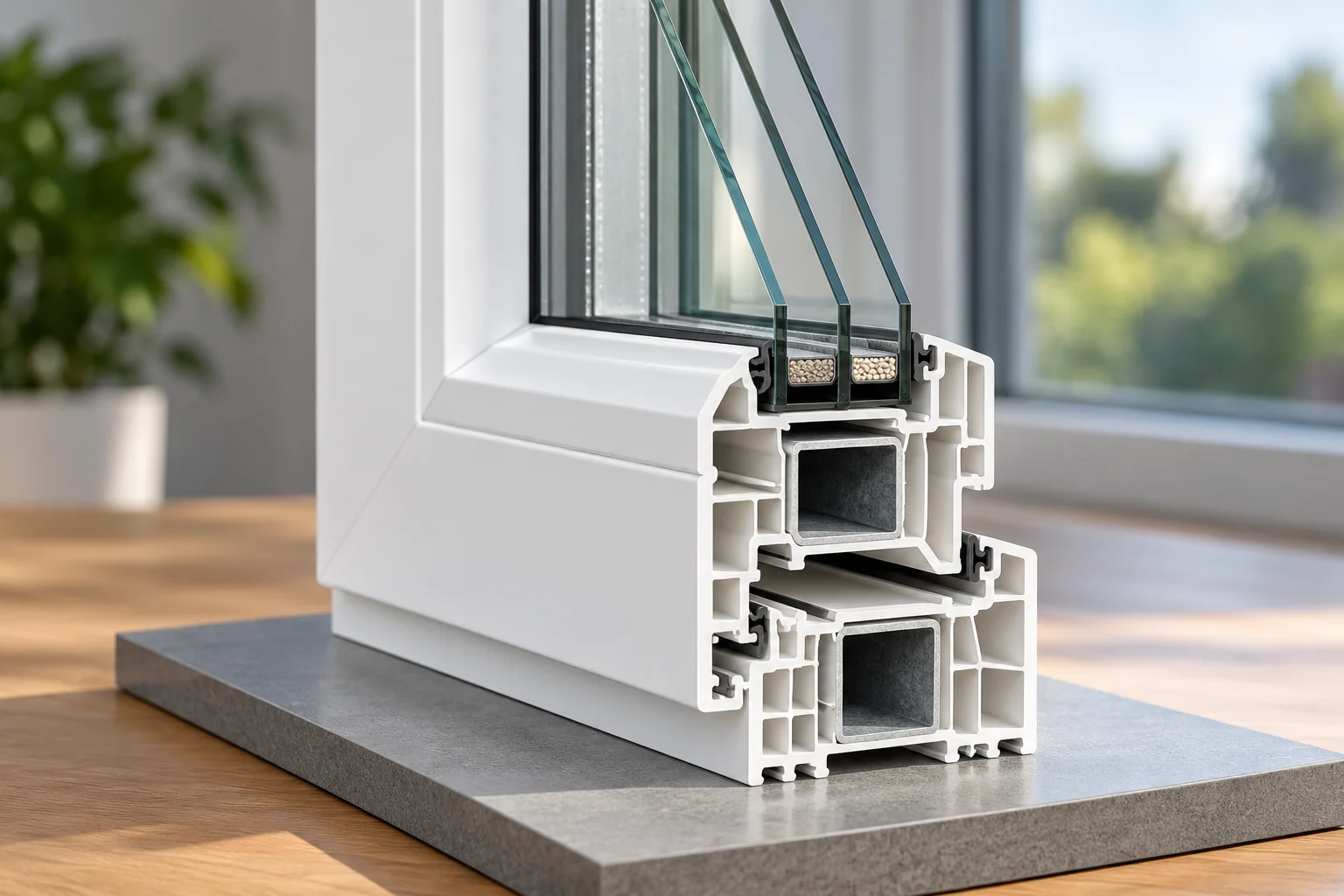
This is genuinely worth asking, because the uPVC market has a fair number of thin, low-grade profiles being sold as the real thing, and most buyers can't tell just by looking at a closed window. A few practical checks: ask how many chambers the profile has, more chambers generally means better strength and insulation, and a good residential profile usually has at least three. Ask whether there's a galvanised steel reinforcement running inside the frame, cheaper profiles skip this or use a thinner strip, which makes the window flex and sag over time, especially on larger sizes. Look at the corners, a properly welded corner is smooth and fused solid, a poorly done one shows a visible seam or gap. And ask about the hardware brand for the locks, hinges and rollers, since this is often where cost is cut first and it's usually the first thing to fail. A supplier who can't answer these questions clearly is worth being cautious about.
What is a "chamber" in a uPVC profile, and does the number actually matter?
A chamber is one of the hollow sections running inside the uPVC frame, think of it like internal walls dividing the profile into separate air pockets. More chambers generally mean better insulation against heat and sound, and more structural rigidity, since the internal ribs support the frame from bending or sagging. A basic 2-chamber profile is fine for a small window in a low-exposure spot, but for anything larger, or facing direct sun and rain most of the day, a 3-chamber or higher profile holds up noticeably better over the years.
What's the difference between a 2-track and 3-track sliding window?
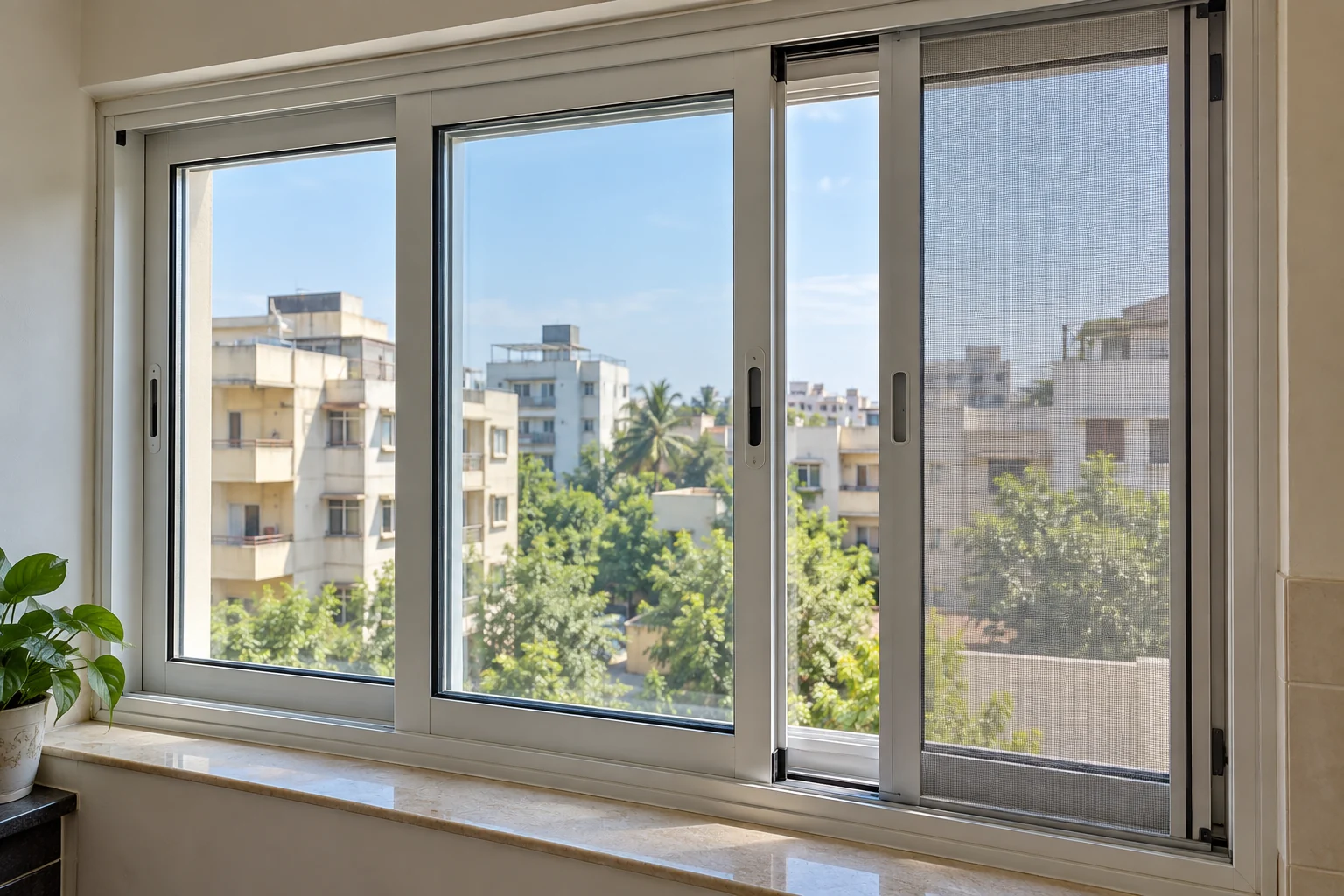
A 2-track sliding window has two channels, one for each sliding sash, and in most 2-track designs, only one sash actually opens while the other stays fixed, or both slide but only half the window opening is usable at any time. A 3-track design adds a third channel, usually for a mosquito mesh panel, so you get two sliding glass sashes plus a mesh, all moving independently, giving you the option of fresh air with the mesh alone keeping insects out. For a bedroom or kitchen where ventilation matters, 3-track is usually worth the small extra cost.
What is a tilt & turn window, and is it practical for Indian homes?
A tilt & turn window can either tilt inward from the top for gentle ventilation, or swing fully open on a side hinge for cleaning or a wider opening, both from the same handle. It's common in Europe but still fairly rare in Indian homes, partly because it costs more than a standard sliding or casement window, and partly because it needs more room to swing inward, which doesn't always suit smaller flats where curtains, grills or furniture sit close to the window. It does have a genuine advantage for higher floors, since the tilt position lets you air out a room without the safety concern of a fully open window, so it's worth considering for a child's room or a high-rise flat specifically for that reason.
Can uPVC windows leak or let rain in during Kolkata's monsoon?
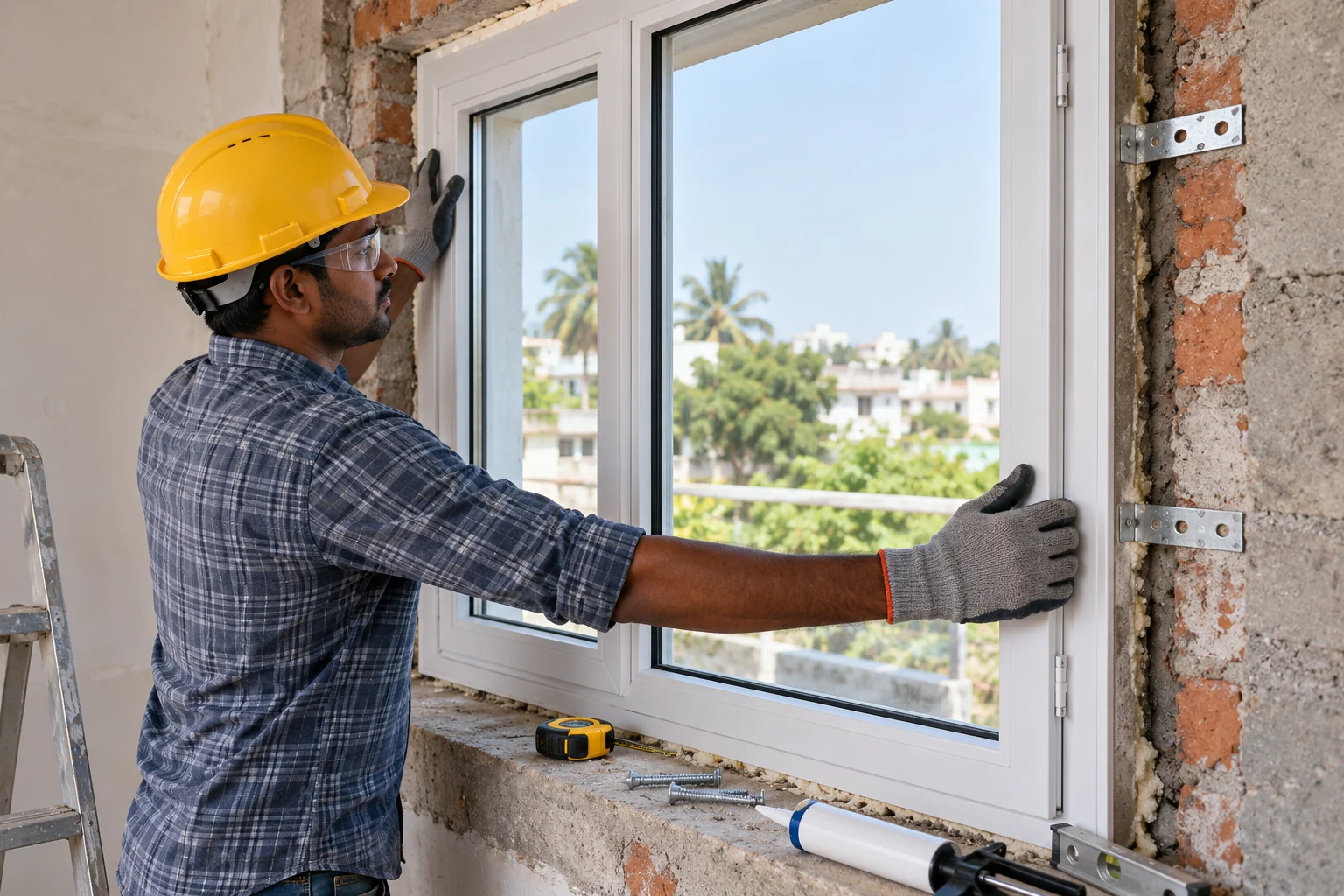
A properly fitted uPVC window with good quality rubber gaskets and correctly sealed frame joints shouldn't leak, uPVC itself is fully waterproof and the sealing is designed for exactly this kind of weather. Where leaks actually happen is almost always at the fitting stage, gaps left between the window frame and the wall that weren't sealed properly, or a sill that doesn't slope outward enough to drain water away. This is why we always seal the frame-to-wall gap properly with weatherproof sealant during fitting, not just screw the frame in and leave it, since that gap is where almost every monsoon leak complaint actually starts.
Does a uPVC window come with mosquito mesh built in, or is that a separate cost?
It depends on the track design. A 3-track sliding window has a dedicated mesh channel built in from the start, so the mesh is part of the window, not an add-on. A standard 2-track sliding window or a casement window doesn't have a built-in mesh channel, so mesh would need to be added separately, usually as a hinged or sliding mesh frame fitted alongside. If mosquito mesh matters to you, and in Kolkata it usually does, it's worth deciding this before the window is ordered rather than after, since retrofitting mesh onto a 2-track frame is more limited than having it built in from the start.
What is double glazing, and is it worth the extra cost in Kolkata's climate?
Double glazing means two panes of glass with a sealed air gap between them, instead of a single pane. It cuts down heat coming through the glass and reduces outside noise noticeably, both genuinely useful in a city that's loud and hot for most of the year. The trade-off is cost, double glazing adds a fair amount per square foot over single glazing. For a room facing a noisy main road, or a west-facing room that gets brutal afternoon sun, it's usually worth it. For an interior-facing bedroom window with little noise or direct sun, plain single glazing is often good enough, and we'd tell you honestly if we think you're paying for something you won't notice the benefit of.
Do uPVC windows actually reduce outside traffic and street noise?
Yes, noticeably, even without double glazing. The multi-chamber profile itself, combined with the rubber gasket seal around the sash, blocks sound far better than an old wooden frame with warped edges and gaps, or an aluminium frame with a thin single seal. Casement windows seal tighter than sliding ones, so they cut slightly more noise. Adding double glazing on top of a well-sealed casement window is about as much sound reduction as you can practically get in a home window without going to a specialist acoustic glazing system.
How much do uPVC windows cost per square foot in Kolkata?
It varies quite a bit depending on the profile brand and chamber count, which is exactly why the quality-check questions above matter. As a rough 2026 range, a basic 2-chamber sliding window runs somewhere around ₹280 to ₹500 per square foot, a better-branded 3-chamber profile moves up to roughly ₹500 to ₹900 per square foot, and casement windows generally cost 20 to 40 percent more than an equivalent sliding window because of the heavier hardware involved. Double glazing adds further on top of the base profile cost. The only number worth trusting is the one we give after seeing your actual window size and picking the profile grade together.
How much do uPVC doors cost, and what types are available?
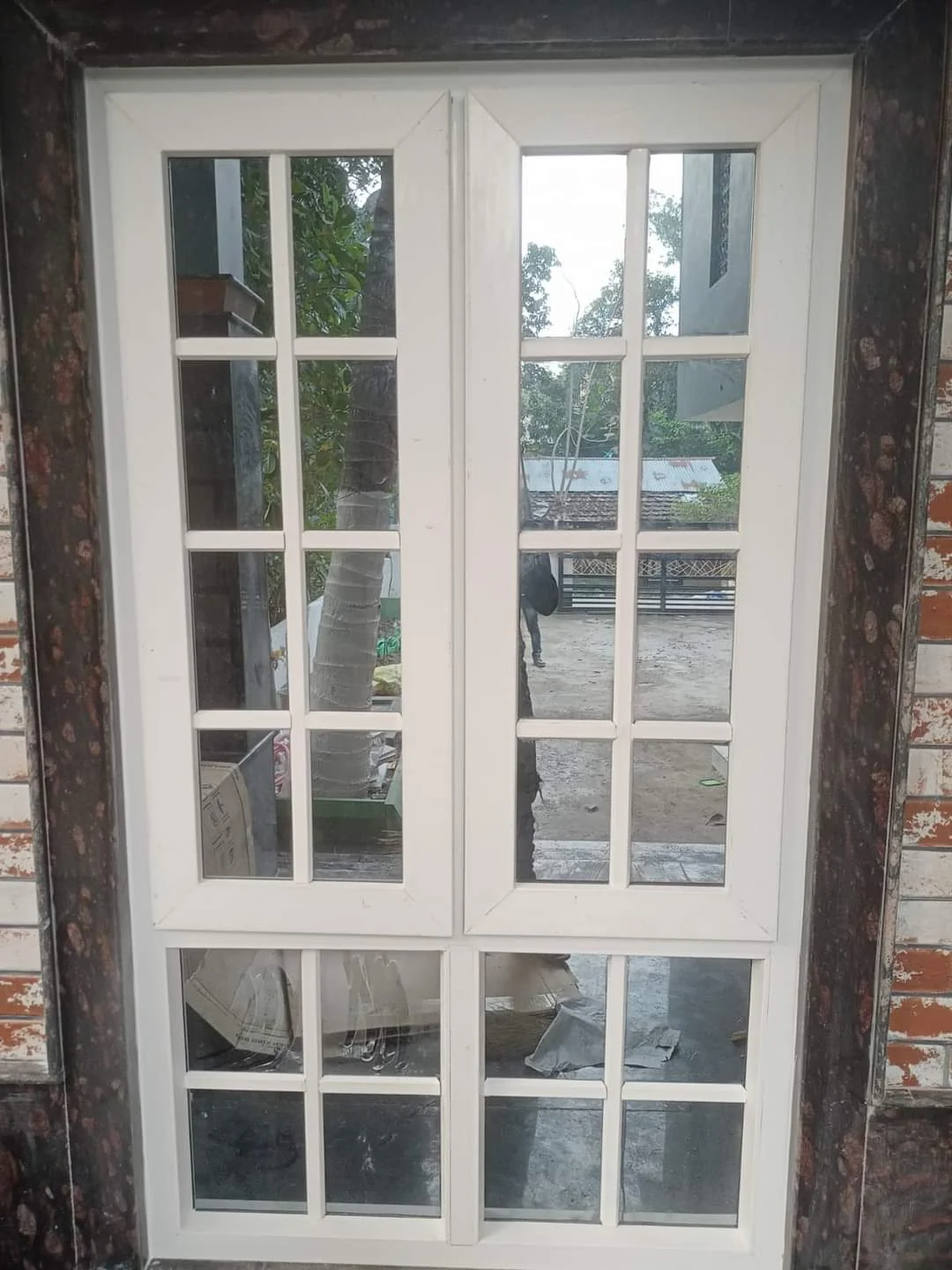
uPVC doors cost more than windows of the same size, since doors need heavier hardware, stronger reinforcement and better locking systems to handle daily use. Sliding doors, often used for balconies, are usually the most affordable uPVC door option. Casement doors and French doors, with hinged panels that swing open, cost more due to the extra hardware and frame strength needed. We'll give you an accurate figure once we know the door type, size, and glass finish you want, since doors have a wider price spread than windows.
Can the colour of a uPVC window be changed, or is white the only option?
White is the standard and most affordable colour since it's the easiest to manufacture and matches most Indian flats. Other finishes are available though, wood-grain laminated finishes that mimic a timber look, and solid colours like grey, brown or black, usually through a film lamination process on the profile surface. These finishes cost more than plain white, and the range available depends on which brand's profile is being used, so it's worth asking early if you have a specific colour or finish in mind rather than assuming every shade is available on every profile line.
Do uPVC windows fade, crack, or turn yellowish after years in the sun?
A good quality uPVC profile has UV stabilisers built into the material specifically to resist this, and shouldn't show noticeable yellowing or brittleness for many years of normal sun exposure. A cheap, low-grade profile without proper UV stabilisation is far more likely to yellow, especially on window frames that face direct afternoon sun for most of the day. This is actually one more reason the profile quality question from earlier on this page matters, a window that looks identical in the shop can age very differently after a few years outdoors depending on what it's actually made from.
If the lock, handle or roller on my uPVC window breaks, does the whole window need replacing?
No, and this is one of the more reassuring things about uPVC windows. The hardware, locks, handles, hinges and rollers, is a separate, replaceable part from the frame and glass itself. A worn roller making the sash hard to slide, or a lock that's stopped catching properly, can usually be repaired or swapped out on its own without touching the rest of the window. The one thing that matters here is using compatible hardware for your specific profile brand, mismatched hardware can cause more problems than it solves, so it's worth having whoever fitted the window originally handle the replacement if possible.
Can uPVC be used for balcony doors and full sliding glass doors, not just windows?
Yes, and this is actually a big part of what we fit. Balcony sliding doors, larger multi-panel sliding doors, and French doors can all be made in uPVC, using heavier-duty profiles and reinforced hardware built for the larger size and more frequent daily use a door gets compared to a window. The glass used in any uPVC door should be toughened, since it's at floor level where someone could walk into it, that's a straightforward safety call regardless of budget.
How long do uPVC windows actually last?
With a decent quality profile and proper fitting, uPVC windows commonly last 20 to 25 years or more without needing replacement, though the rubber gaskets and hardware may need attention or replacement well before the frame itself does. This is noticeably longer than a wooden frame in Kolkata's humidity, which often needs repainting or repair within just a handful of years. The lifespan really does come back to profile quality though, a cheap duplicate profile with thin walls and no proper UV stabiliser won't come close to this kind of lifespan.
Does Sarada Glass supply and fit uPVC windows and doors across Kolkata and North 24 Parganas?
Yes. We're based in Keotia, near Dum Dum, and we regularly work across Madhyamgram, Barasat, Barrackpore, Bhatpara, Naihati, Salt Lake, New Town and Rajarhat, along with Kolkata itself. We measure the opening ourselves, walk you through profile and glass options honestly, and fit the finished window or door too, rather than just supplying material for someone else to install.
How do I get a free quote for uPVC windows or doors?
Message or call us on WhatsApp, 8250144620, with the room, roughly how many windows or doors, and a photo of the current opening if you have one, and we'll arrange a free site visit to measure properly and give you a written quote. Or use the short form on our Contact page if you'd rather type it out.